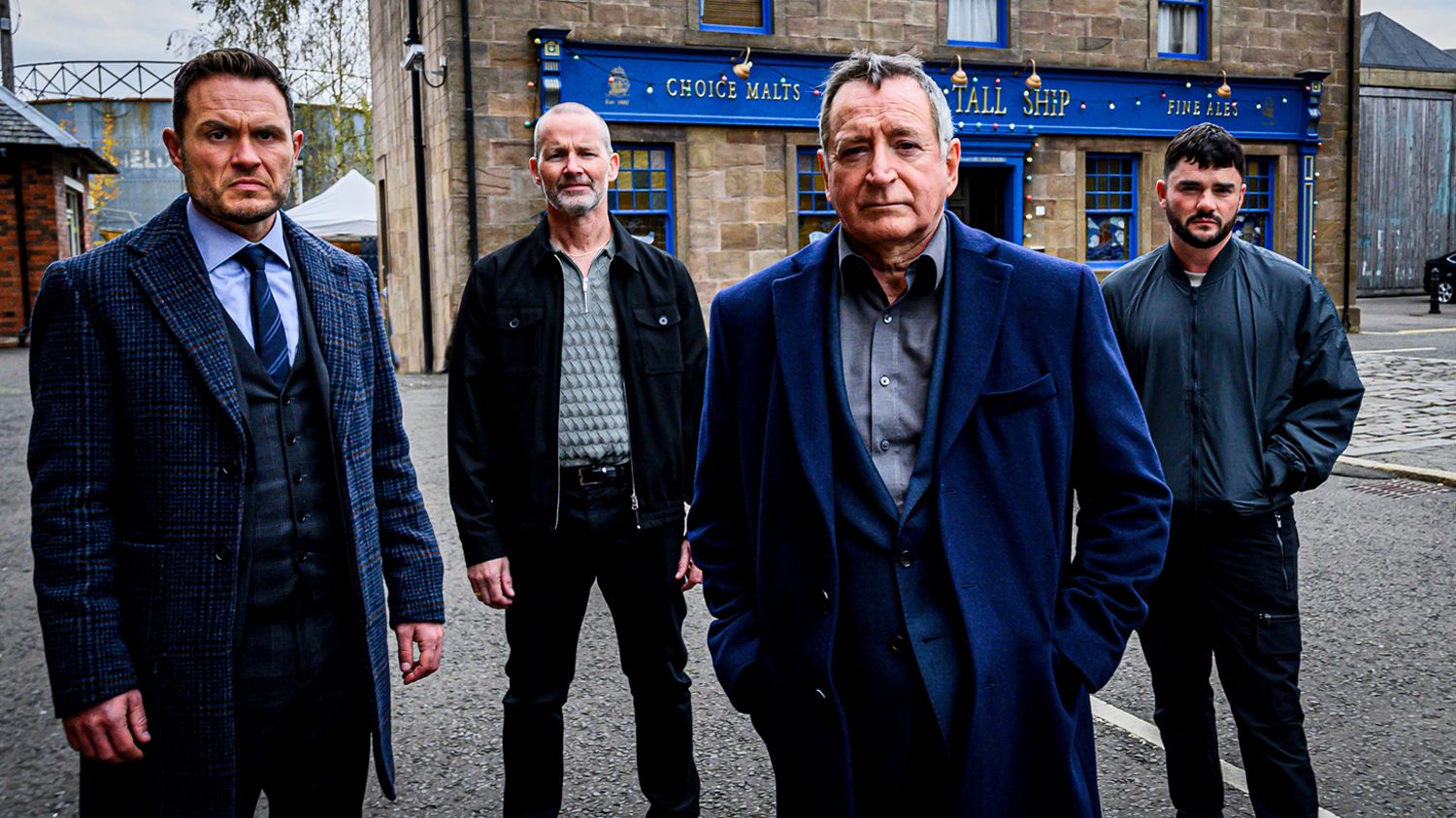
The future of Scottish television has been thrown into question with the cancellation of River City, one of the country’s most enduring soap operas. The decision, which will see the show end in 2026, has caused widespread uproar and reopened debates around public broadcasting, regional representation, and the economics of culture.
BBC Scotland’s director Hayley Valentine said the move was part of a wider strategy to reassess the broadcaster’s portfolio in light of changing audience behaviour. “We have to make tough choices about where we invest,” she said. “River City was no longer value for money.” The programme, once a staple of Scottish screens since its debut in 2002, now draws approximately 200,000 viewers per week—down from its peak of around half a million.
Valentine pointed to the performance of other BBC dramas like Shetland, which can command audiences in excess of 7 million across the UK, as benchmarks for the kind of impact BBC Scotland is aiming to replicate. “We need programming that reaches and resonates with more people,” she said, suggesting that River City had become a legacy show whose format no longer justified its cost in the current media landscape.
The backlash from the creative community has been swift and passionate. High-profile actors including David Morrissey and Richard E. Grant have spoken out against the decision, raising concerns about the broader implications for regional representation on UK television. Morrissey called the decision “a dangerous step backwards,” while Grant warned that the axing of River City reflects a trend towards centralisation of content creation in London, to the detriment of local storytelling.
The actors’ union Equity has also condemned the decision, calling it “short-sighted” and “damaging to the ecosystem of Scottish television.” They argue that the show provided stable, long-term employment for a wide range of creative professionals—actors, writers, directors, and crew—and served as a vital training ground for emerging talent. With a budget of around £9 million a year, Equity insists River City offered exceptional value when measured against its output and impact.
The decision has also sparked political condemnation. Scottish Labour MSP Jackie Baillie said the show’s cancellation was a “slap in the face” to the Scottish creative industries and a sign that regional programming is being deprioritised. Culture Secretary Angus Robertson voiced similar concerns, warning that the loss of River City could severely curtail opportunities for new entrants into the television sector in Scotland.
Meanwhile, fans of the show have launched a petition to reverse the decision, which quickly gained traction online. Many supporters have taken to social media to share what River City meant to them, not only as entertainment but as a reflection of their own lives, communities, and cultural identity. For a generation of Scots, the fictional Shieldinch was more than just a TV set—it was a symbol of local pride and relatable storytelling.
In the wake of the controversy, the BBC has sought to reassure the public that Scottish drama remains a priority. Valentine confirmed that the budget from River City will be redirected into a slate of new dramas, including The Young Team—based on the acclaimed novel by Graeme Armstrong—Grams, and Counsels. The broadcaster has committed over £95 million to Scottish drama over the next three years, promising fresh, high-impact content that will “tell new stories and reach new audiences.”
Still, many are sceptical. Critics point out that none of these new projects offer the continuity and community presence that River City provided. “One-off or short-run series can’t fill the same cultural role as a long-standing soap,” said one former cast member. “They don’t offer the same job security or training, and they don’t build a relationship with the audience in the same way.”
As River City begins its final chapter, there is a palpable sense of loss in Scotland’s creative community. The show wasn’t just a drama—it was a platform for working-class stories, Scottish dialects, and homegrown talent. Its cancellation marks the end of an era and raises critical questions about the BBC’s role in supporting diverse, regional voices in the UK.
Whether the BBC’s new strategy will pay off in the long term remains to be seen. But for now, the departure of River City leaves a noticeable void—not just on screen, but in the cultural heart of Scotland.
 play_arrow
 play_arrow
 play_arrow




Post comments (0)