AD

Local News

Small Skipper butterfly spotted at RSPB Loch Lomond for the first time
todaySeptember 15, 2026 10

Background
share close
AD

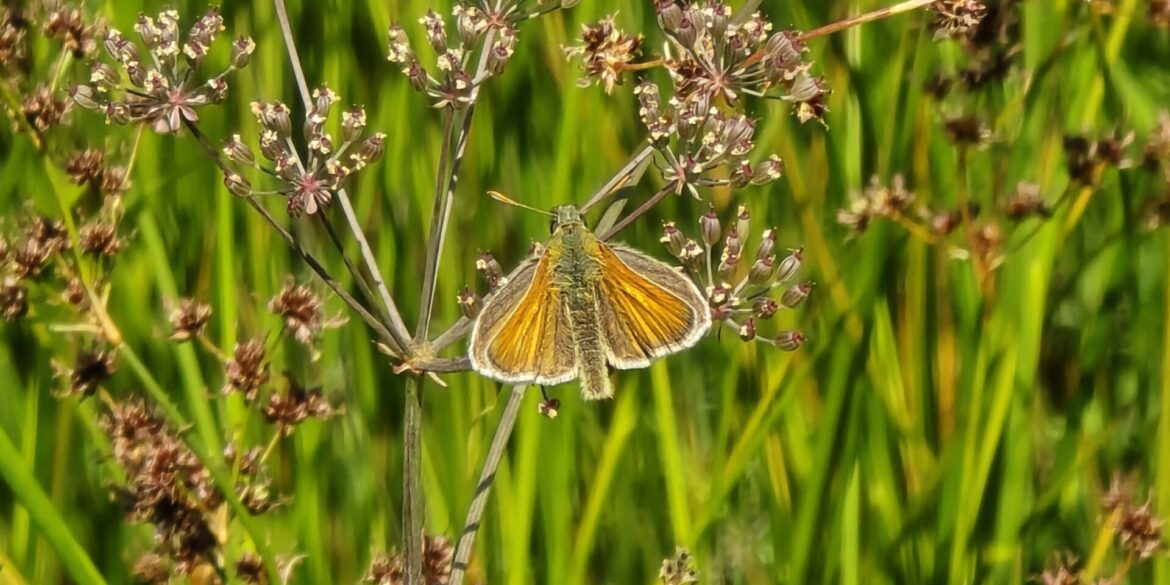
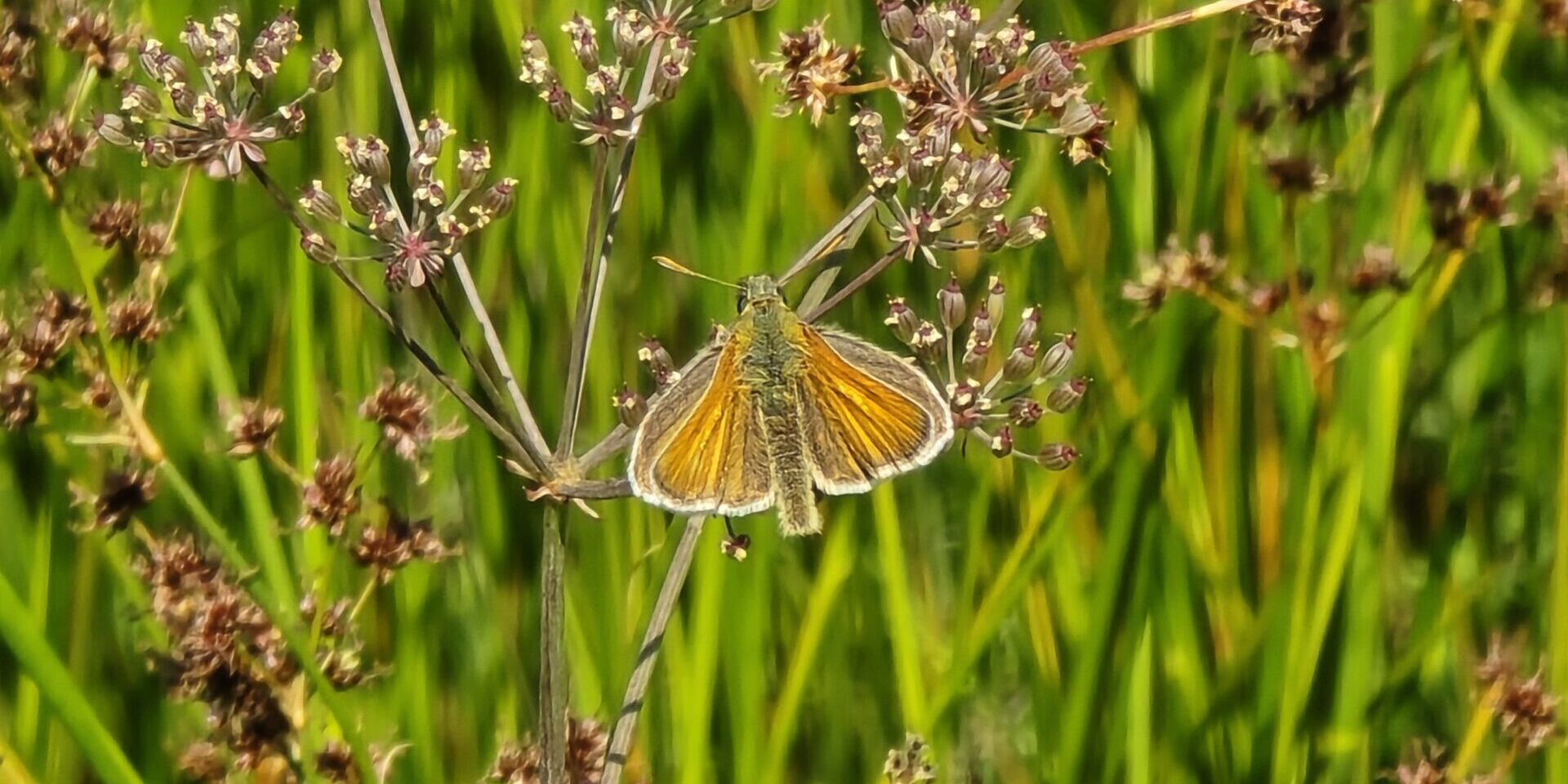
RSPB Loch Lomond was all aflutter this summer with the first-ever recording of a Small Skipper butterfly at the nature reserve.

The species has expanded its range into Scotland in recent years, having previously been found predominantly in southern England.

Roger Broad, a volunteer at RSPB Loch Lomond, said: “I went looking for the Small Skipper butterfly and found it within a 10-minute walk of the Visitor Hub, in the first field I checked.

“The habitat in this field is the result of recent grassland management and provides tall grassland throughout the main flight period of June and July. The field has plentiful Yorkshire Fog, the principal food plant for the larvae.”

Photo Credit: Roger Broad

The Small Skipper is a small orange-brown butterfly with distinctive brown-tipped antennae. It is commonly found in tall grassland habitats where its caterpillars feed on a variety of grass species.

Paula Baker, Site Manager at RSPB Loch Lomond, said: “What a summer highlight for us, welcoming these gorgeous little creatures to Loch Lomond. When volunteer Roger confirmed his find, we couldn’t wait to spend our lunch hour trying to catch a glimpse, and we weren’t disappointed!

“Creating habitats for nature is central to the work we are carrying out here at RSPB Loch Lomond, and seeing new species arrive is a fantastic sign that these efforts are making a difference. Every addition to the reserve species list helps demonstrate the importance of managing habitats that support wildlife.”

The Small Skipper is the latest butterfly species to be recorded at the reserve. Comma and Speckled Wood butterflies have also been added to the reserve list in recent years, reflecting wider changes in butterfly distributions across Scotland.

At the turn of the millennium, the Small Skipper had a largely southerly distribution in England but was rapidly spreading north towards the border. This expansion has continued in recent years, with records now extending north of the Clyde and across much of Scotland’s Central Region.

The discovery highlights the importance of well-managed grassland habitats and demonstrates how conservation work can help wildlife adapt and thrive as species distributions change.

AD

Written by: Phil Briscoe

Rate it

Post comments (0)

Leave a reply

Your email address will not be published. Required fields are marked *

AD
AD
AD